Long-tailed Macaque
Kera, Monyet
长尾猕猴, 食蟹猕猴
Video Gallery
Long-tailed Macaque
Macaca fascicularis
Kera, Monyet
长尾猕猴, 食蟹猕猴
A highly adaptable primate sometimes known as the Crab-eating Monkey or Macaque, from Southeast Asia known for its intelligence and adaptability near humans, but recently classified as Endangered due to habitat loss and human conflict, but it has impacted pharmaceutical research.
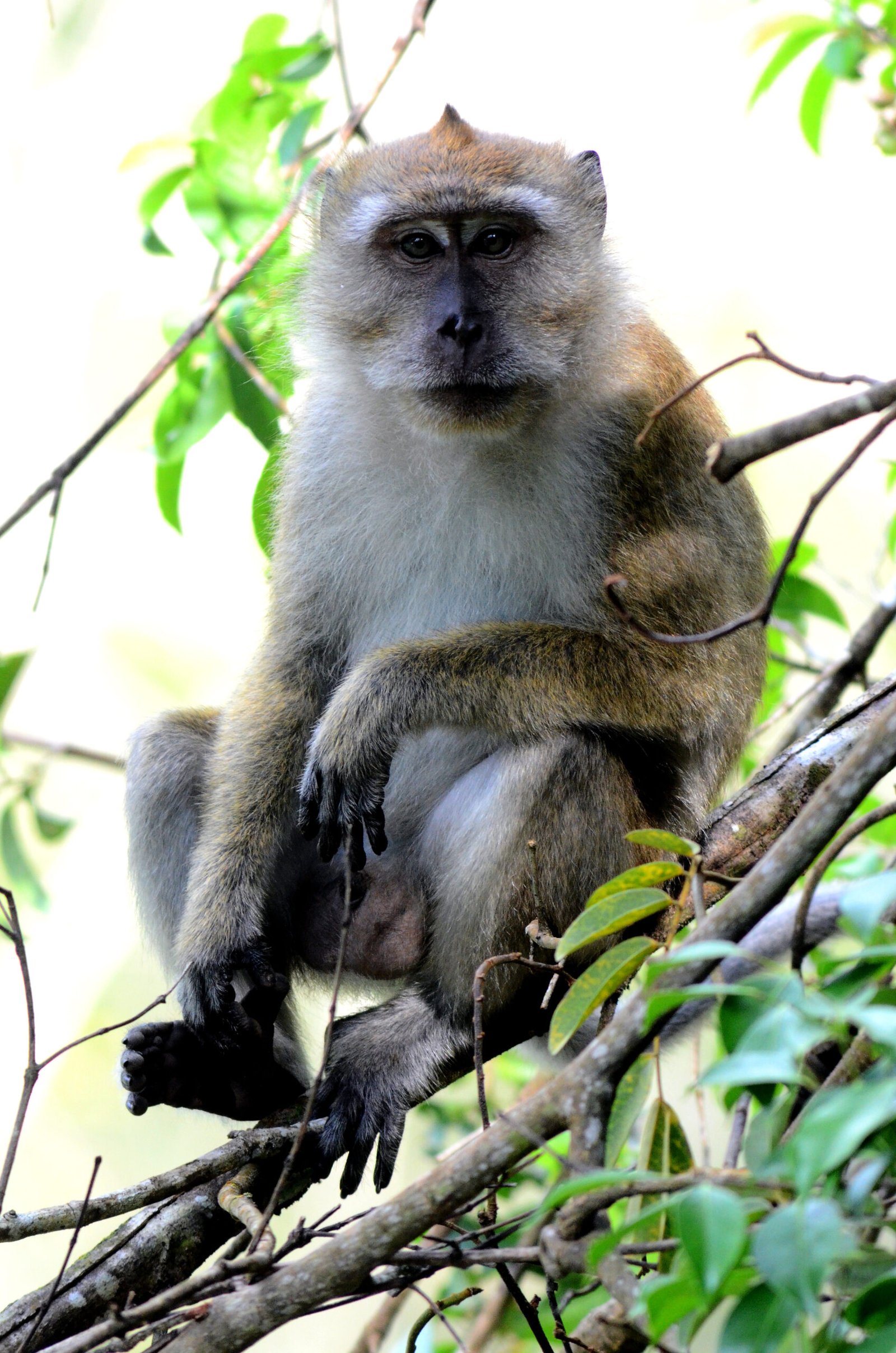
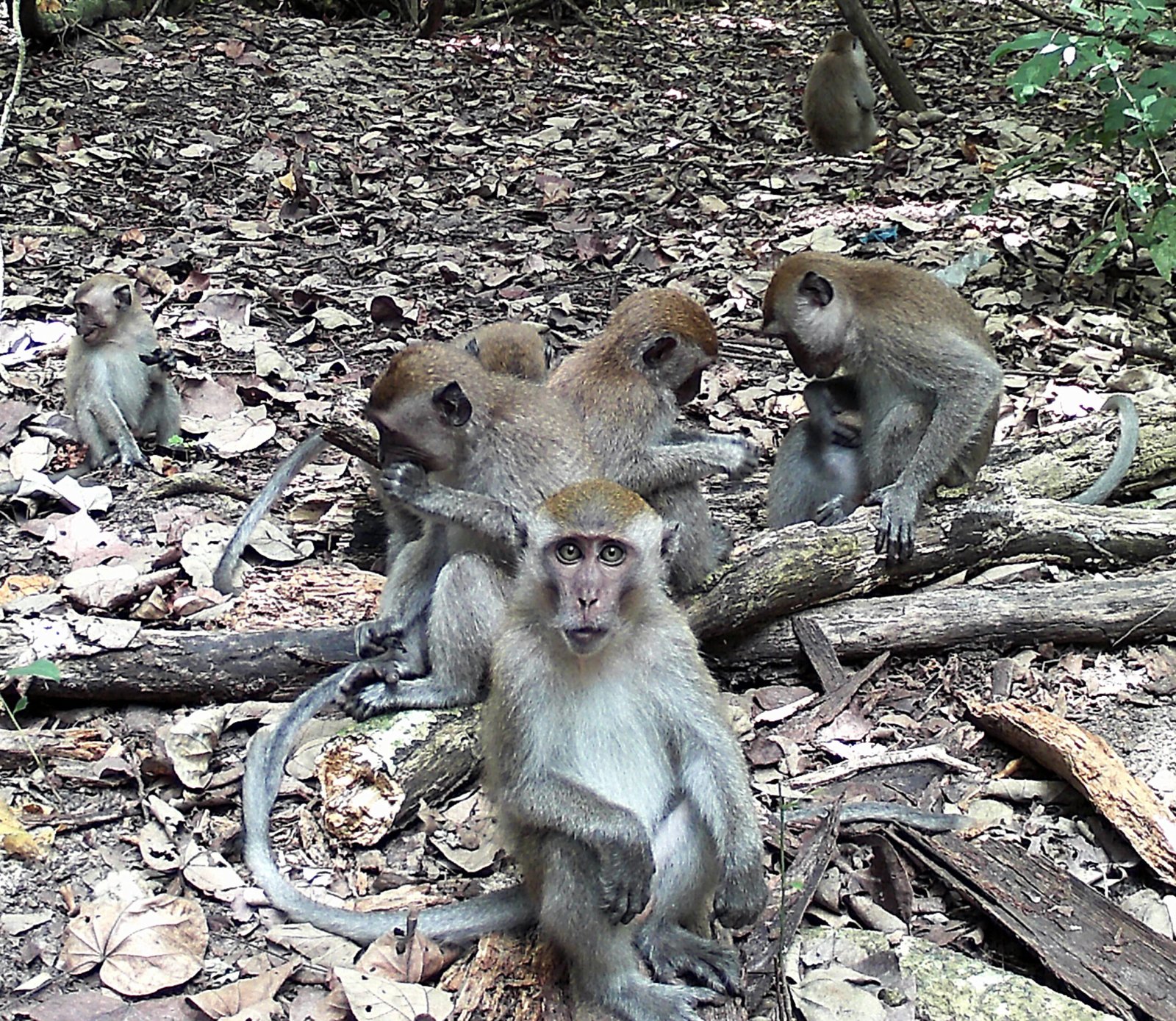
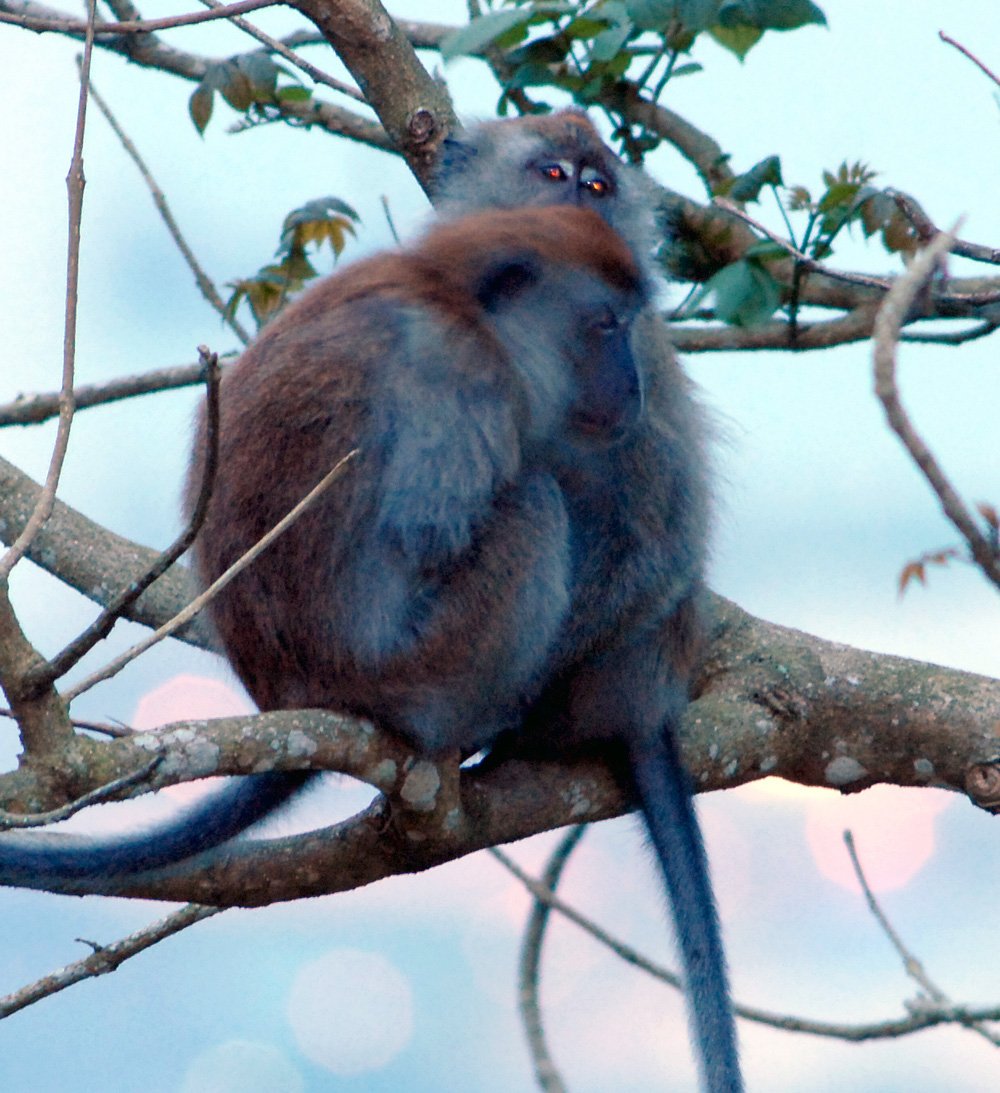
Easily identifiable by its distinctively long tail (longer than its body), grey-brown to reddish-brown fur that’s paler underneath, and prominent cheek whiskers or a beard/mustache that frame its face, with infants being black. The most obvious feature, it’s very long tail, often exceeding the head-to-rump body length.
Grey-brown to reddish-brown fur, lighter on the belly. Brownish-grey face with noticeable cheek whiskers, sometimes forming a distinct mustache on males or a beard on females. The infants or young can be easily mistaken for the pig-tailed macaques, and vice versa although the former are smaller and more slender than the later.
Their diet is very varied, at coastal habitat they will catch crabs and horseshoe crabs, feasting on the protein rich roe/eggs of the later. The will go for fruits and berries, and in the wild where there may be less agricultural fruits, they will forage for seeds and tuber on the ground.
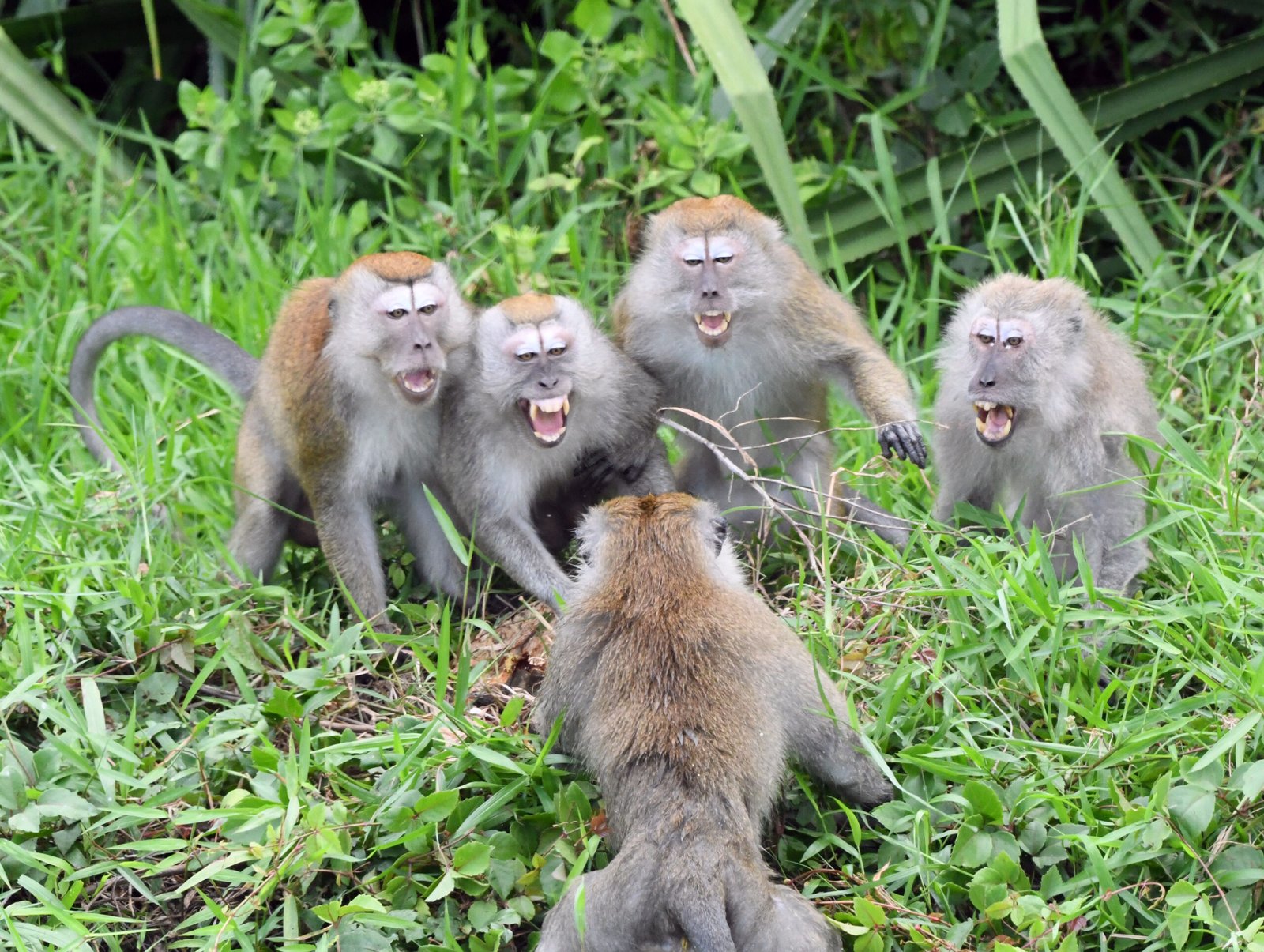
It is very common all over West Malaysia, being highly adaptable it has intruded into sub-urban and even urban habitat, creating a animal-human conflict situation. Being the most commonly reported to the releavant agencies.
Other than the sometimes unpopular or socially unaccpetable method of culling “problem” long tailed macaque, it is best not to feed them and leave them to forage on their own, they may return to their native habitat. Capture and translocation will be costly and other issues may be involved, involving find suitable areas to release or translocate them.
Sterilization is a another method used for managing “problem” pig-tailed macaque populations and reducing human-wildlife conflict. However it can be prohibitively expensive and human and financial resources can be better spend on other wild or native animal conservation work.
It is NOT PERMITTED to use the contents of this website for advertising, marketing, or the sale of products and services, without prior authorisation from MNS.
Please contact mnspenang@yahoo.com.


