Mangroves
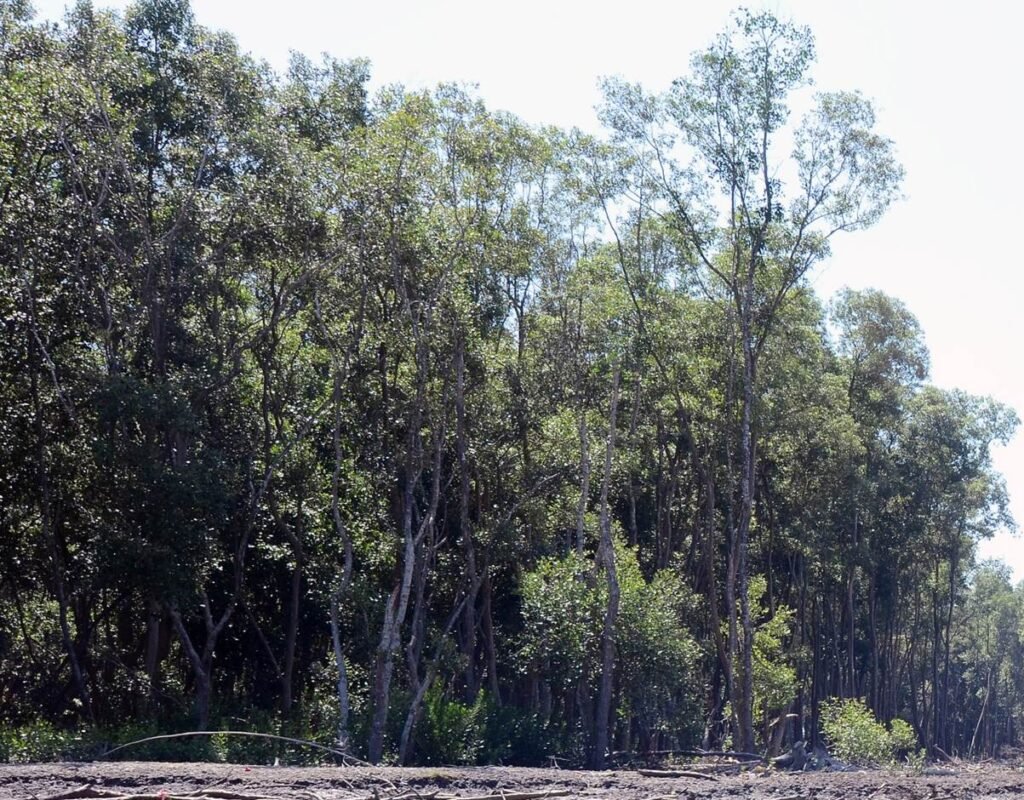
Mangrove plants are specialized salt-tolerant trees and shrubs that grow in coastal estuaries, with approximately 54–80 species existing globally. Mangrove plants are specialized tropical trees and shrubs adapted to saline coastal environments, featuring unique root systems for stability and breathing.
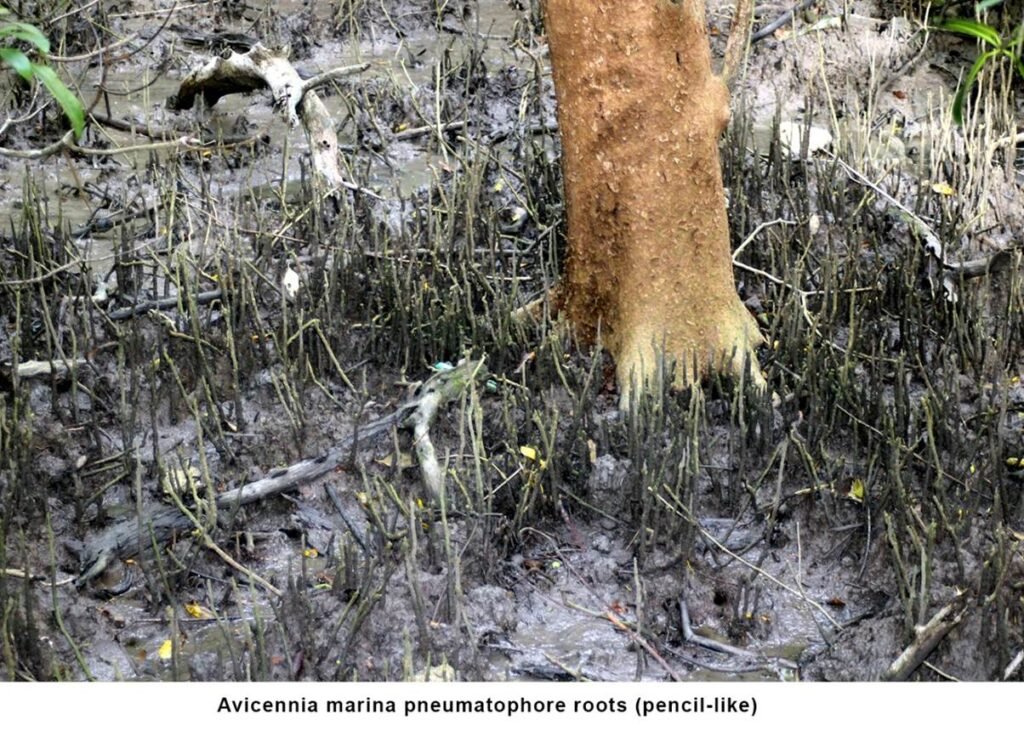
Key types include Red Mangroves (Rhizophora), characterized by prop roots; Black Mangroves (Avicennia), with needle-like pneumatophores; and White Mangroves primarily represented by Avicennia marina
Common species include Rhizophora apiculata (bakau minyak), Rhizophora mucronata (bakau kurap), Avicennia spp. (api-api), and Nypa fruticans (mangrove palm).
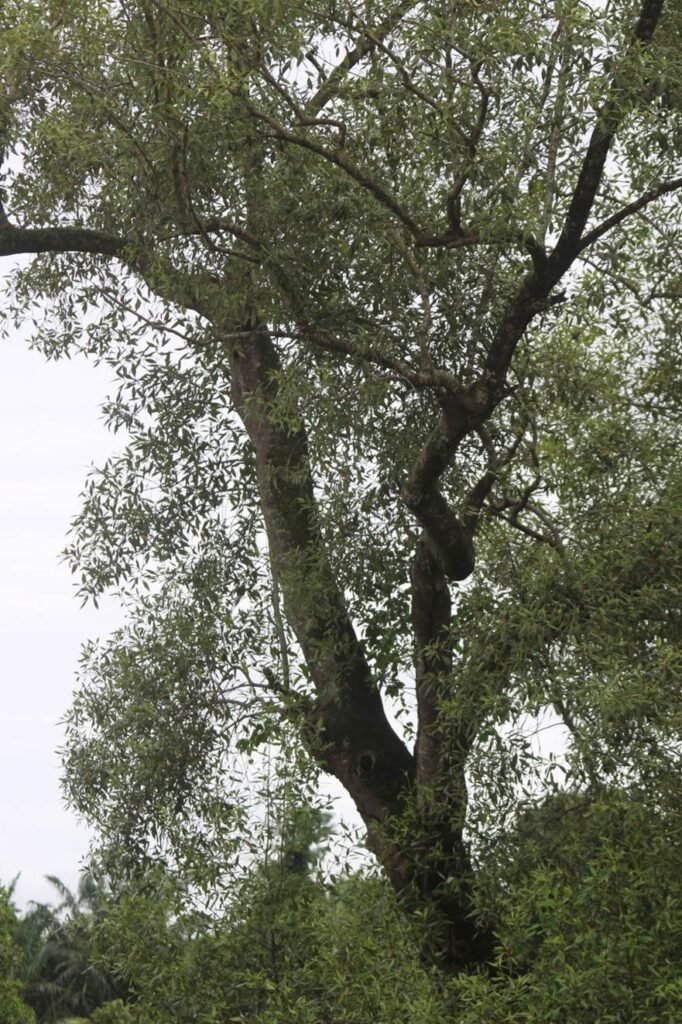
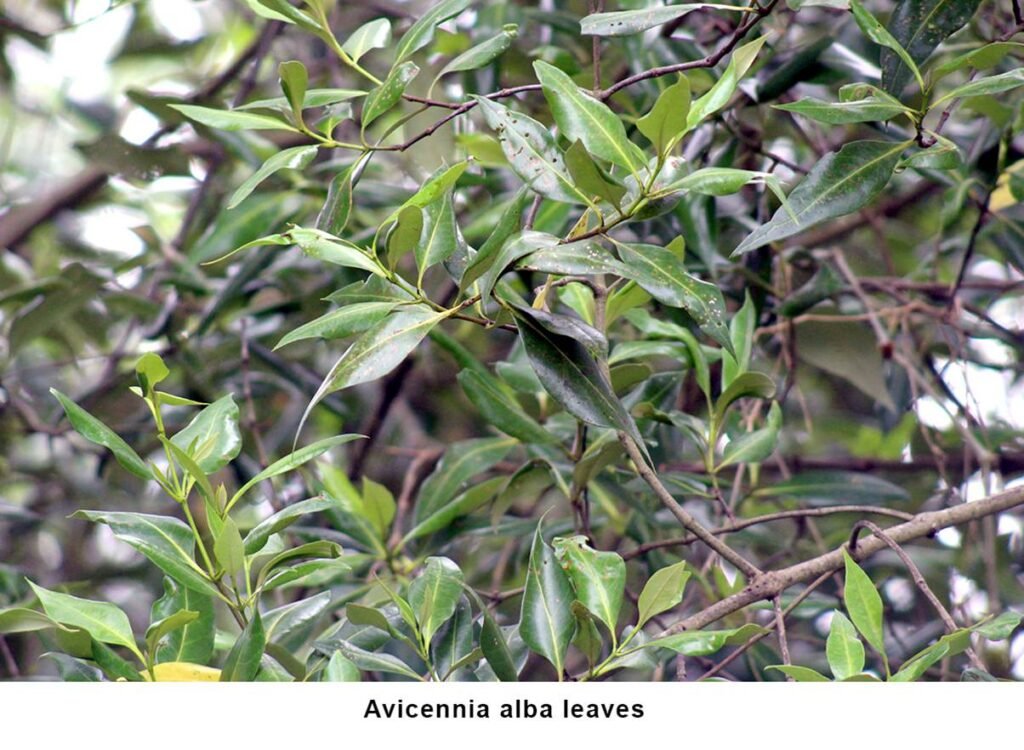
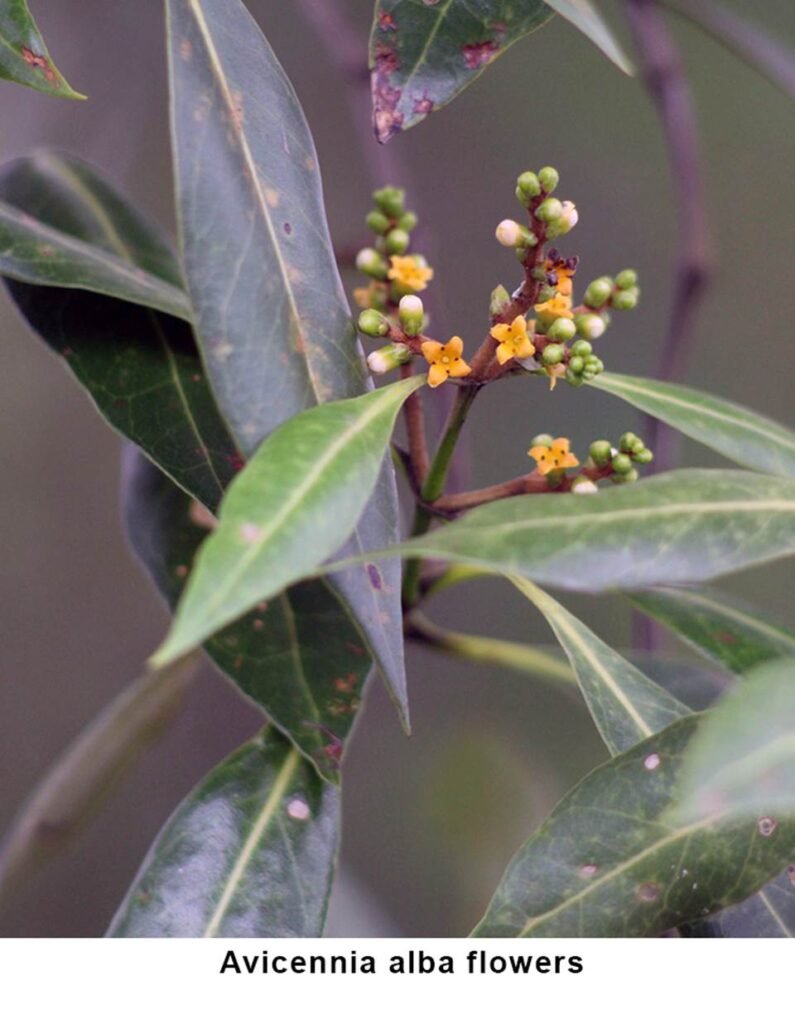
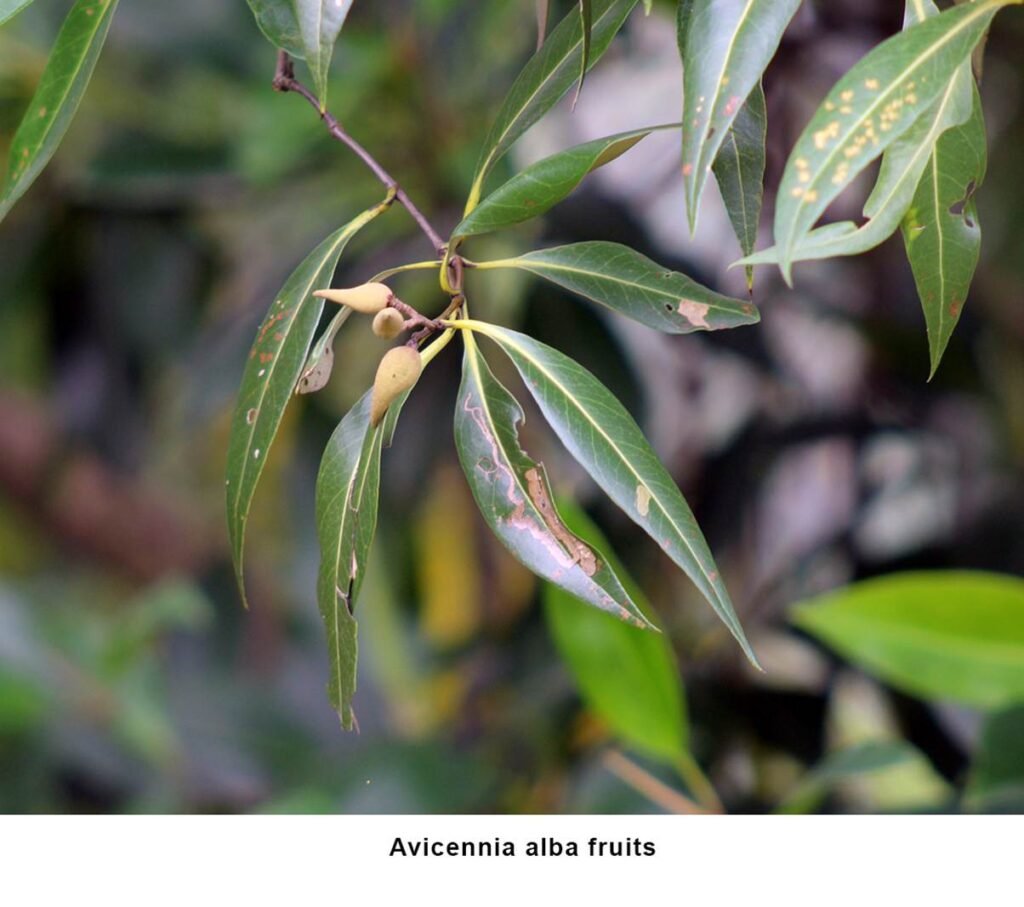
Avicennia alba, commonly known as the White Mangrove or Api-api Putih in Malay, is a pioneer species found on the seaward side of mangrove forests. It is well-adapted to harsh, tidal conditions and is often one of the first trees to colonize newly formed mudflats. It’s a Seafront species, black tree trunk, narrow and pale leaves
Avicennia alba leaves
Avicennia alba flowers
Avicennia alba fruits
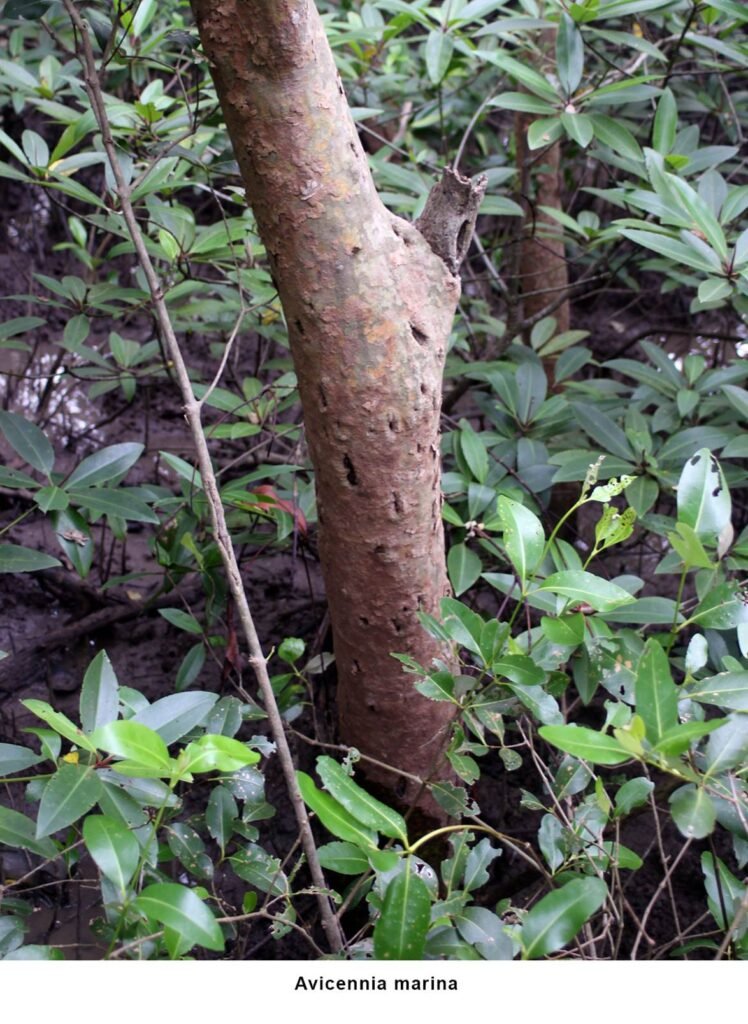
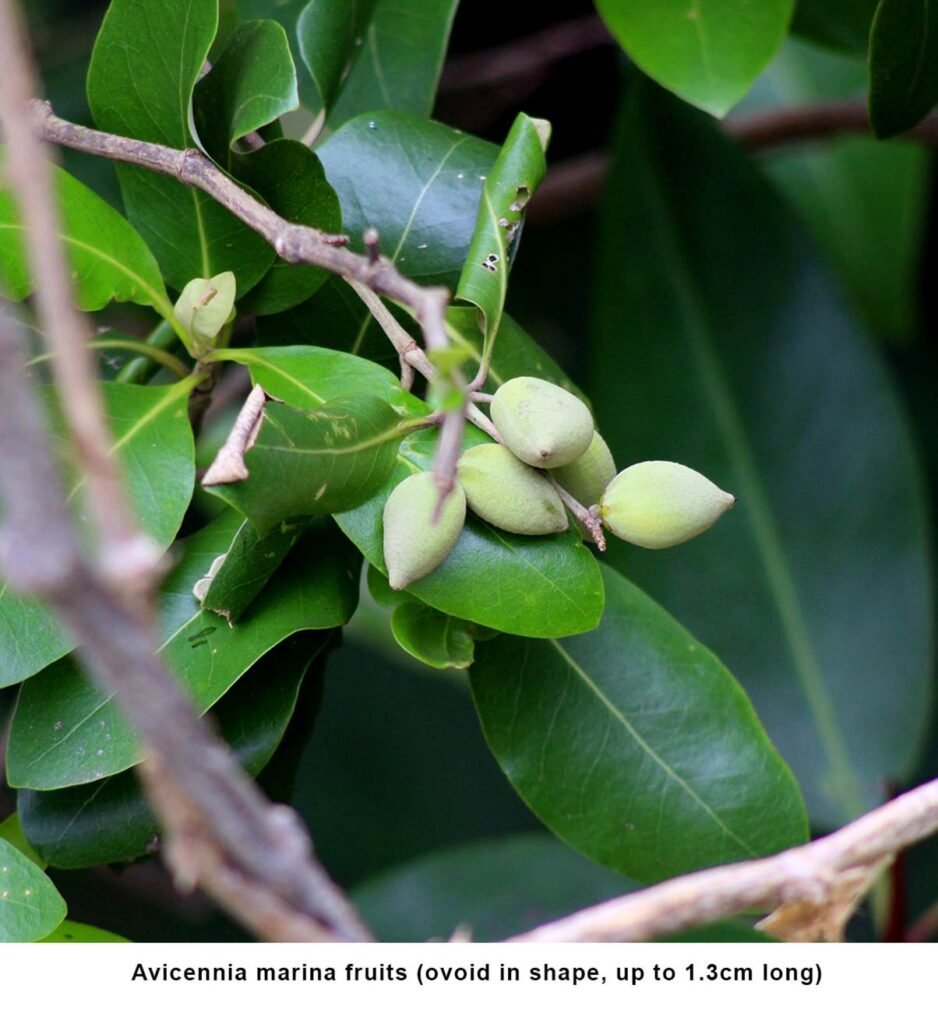
Avicennia marina or api-api (the most common species in Penang), adapted to coast front conditions (lower intertidal zone, can tolerate higher wave impact and more saline condition). Key feature to identify this species is the bark that are reddish brown and papery scale
Avicennia marina pneumatophore roots (pencil-like)
Avicennia marina fruits (ovoid in shape, up to 1.3 cm long)
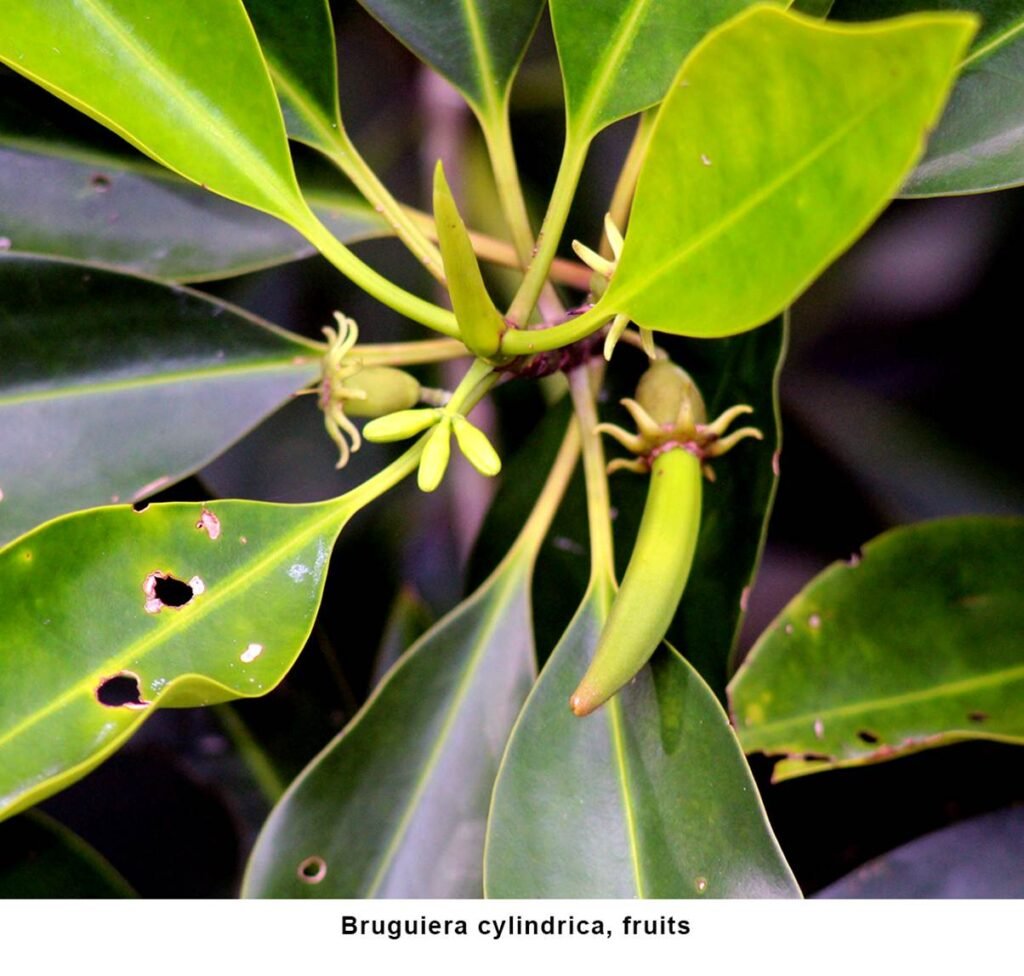
Bruguiera cylindrica, commonly known as bakau putih , berus, or small-fruited mangrove, is a tree species in the mangrove family Rhizophoraceae. It is another species growing on higher and firmer ground behind the dominant Avicennia marina.
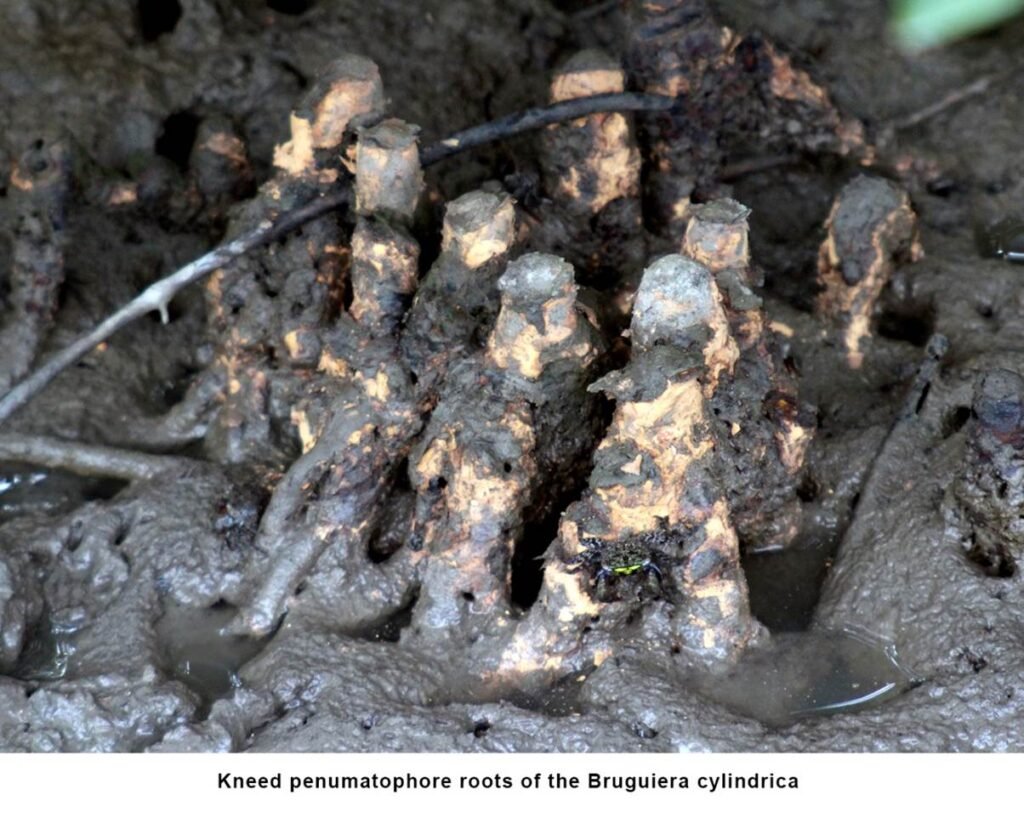
Kneed penumatophore roots of the Bruguiera cylindrica
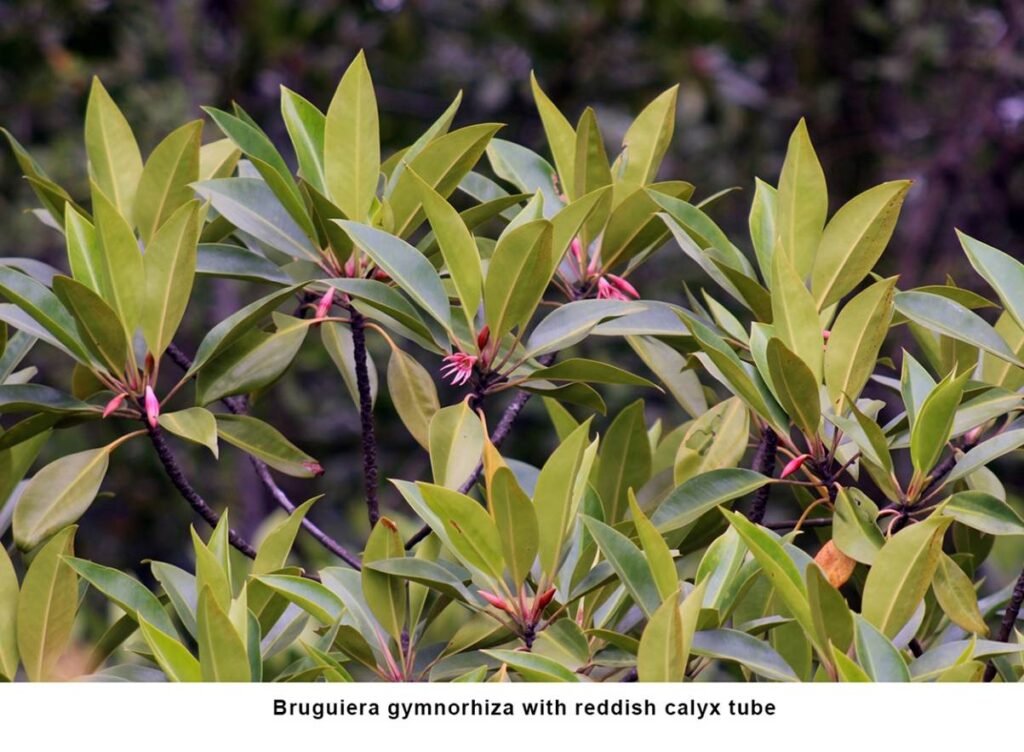
Bruguiera gymnorhiza, commonly known as the Large-leaved Orange Mangrove or Tumu Merah, is known for its distinct, solitary, and nodding flowers with a thick, woody calyx tube that is typically reddish-pink to bright red in color, especially when exposed to sun. This red coloration is a key identifying feature distinguishing it from other species within the Bruguiera family, which often have greenish or yellowish calyces.
Bruguiera gymnorhiza. Back mangrove
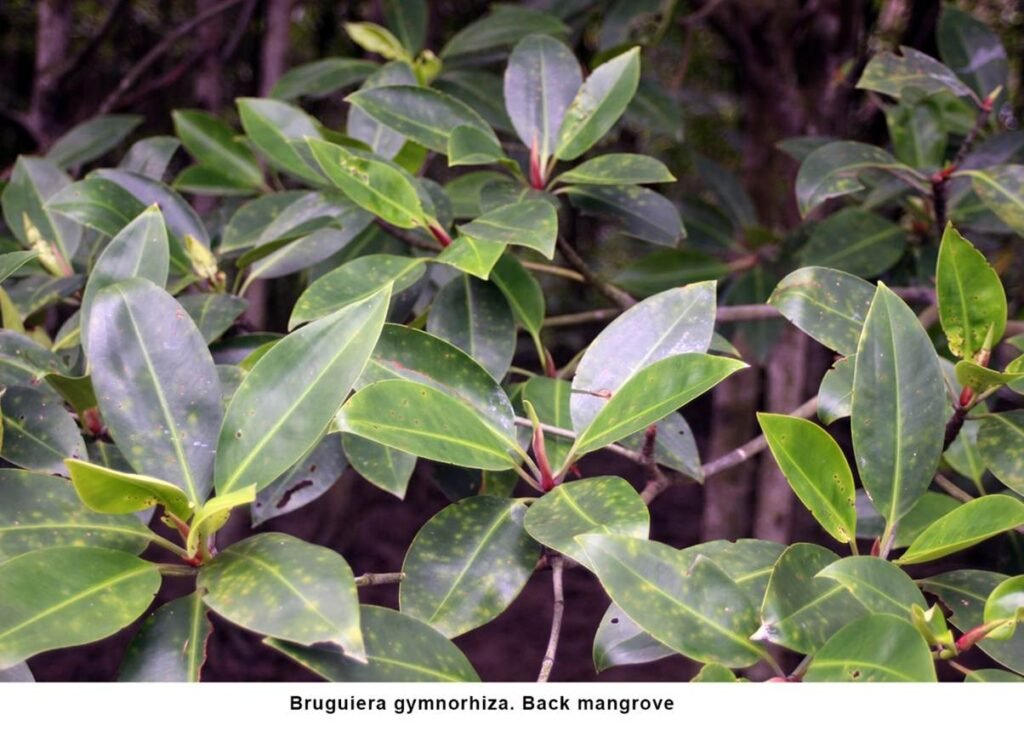
Bruguiera gymnorhiza with reddish calyx tube